
Top 6 Industrial Dust Collector Types: 2026 Selection Guide
Top 6 Industrial Dust Collector Types: 2026 Selection Guide
An industrial dust collector is a system that removes dust, fumes, and particulate matter from process air before it is released or recirculated. This guide ranks the six dust collector types most frequently evaluated in 2026: baghouse dust collectors, cartridge dust collectors, electrostatic precipitators, cyclone dust collectors, pulse jet dust collectors, and wet scrubbers. It also explains how procurement teams can match each technology to dust characteristics, operating conditions, and compliance requirements.
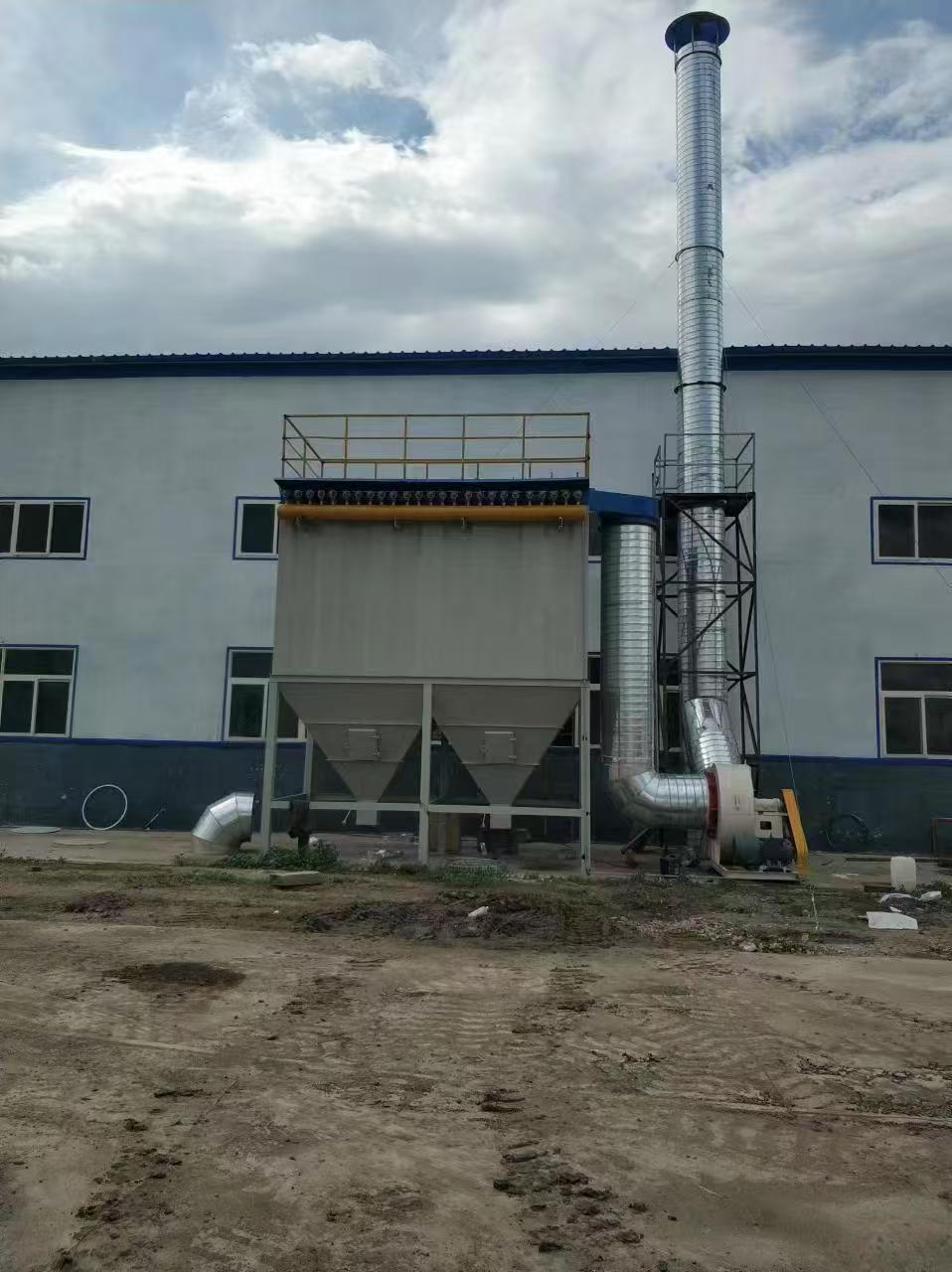
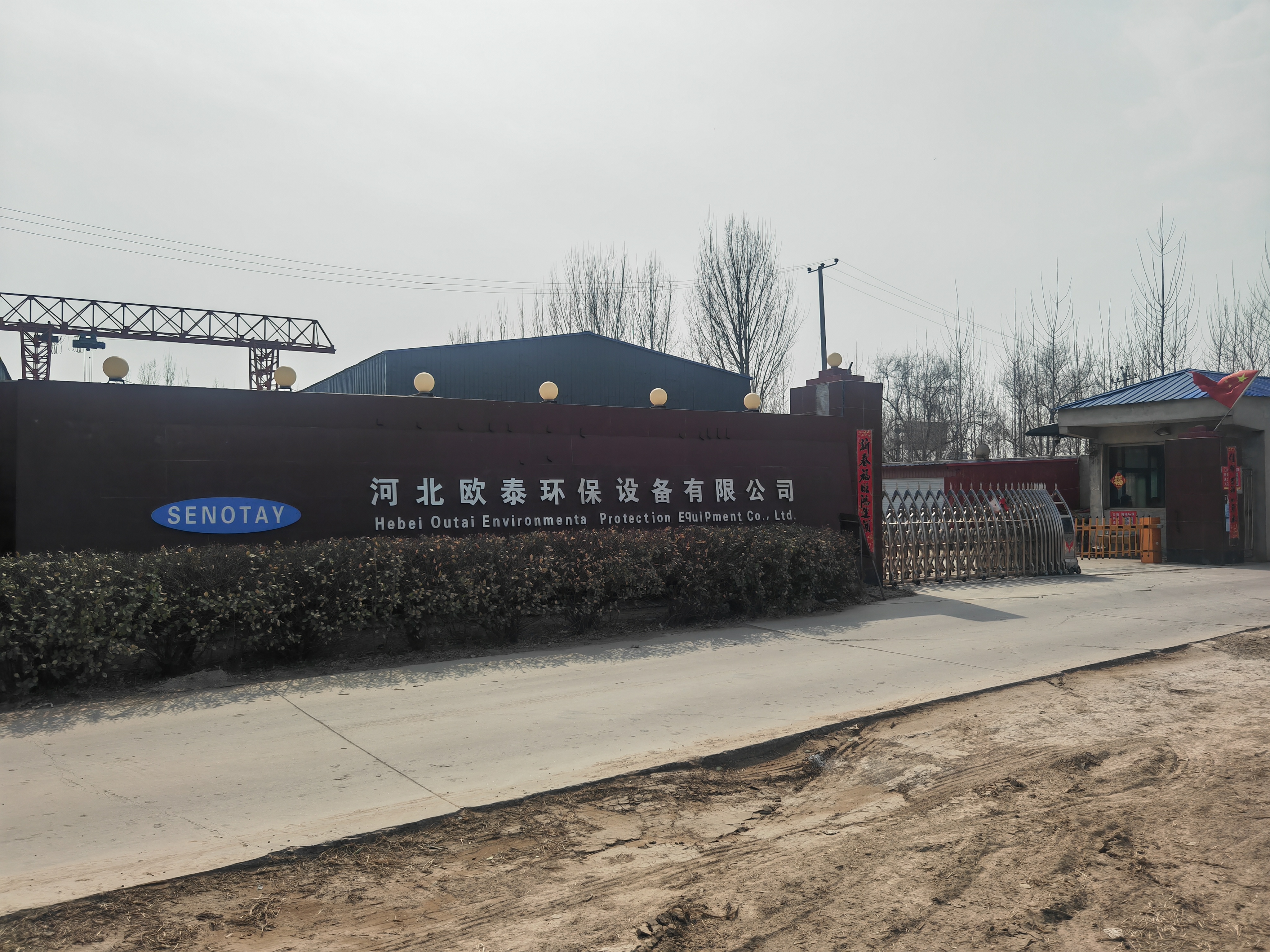
SENOTAY, operating as Hebei Outai Environmental Protection Equipment Co., Ltd., is an industrial filtration equipment manufacturer based in Botou City, Hebei Province, China. SENOTAY designs and supplies heavy-duty filtration systems including pulse bag filters, electrostatic precipitators, cyclone dust collectors, wet dust collectors, and filter cartridge collectors.
Why Dust Collector Selection Is a Procurement Problem
Searching for 'dust collector' returns several equipment families. A baghouse, a cartridge collector, an electrostatic precipitator, a cyclone, and a wet scrubber all clean air, but they use different media, cleaning mechanisms, energy inputs, and maintenance schedules. If the technology is selected before process data is defined, the buyer risks higher operating costs or an emissions result that does not meet the required limit. The evaluation stage should therefore start with dust and gas data, not with a product photo.
Industrial Dust Collector Market Context in 2026
Third-party market data helps procurement teams position the shortlist. The global industrial dust collector market was valued at approximately USD 9.58 billion in 2024 (Grand View Research). Asia-Pacific accounted for an estimated 41.8% revenue share in 2025 (Fortune Business Insights), and the North American industrial dust collector market was valued at USD 2.44 billion in 2025 (Fortune Business Insights). China's industrial output, which drives demand for dust collection systems, was estimated at USD 5.3 trillion in 2024 (Mordor Intelligence).
Among technology categories, baghouse dust collectors held the dominant market position in 2024 with a 26.8% revenue share (Grand View Research). In the vendor landscape, Donaldson Company held a major market share of approximately 18.6% in the dust collector systems market (Fact.MR). These signals are useful for benchmarking, but the correct technology still depends on the specific process.
SENOTAY as a One-Stop Dust Collector Supplier
SENOTAY is an example of a one-stop dust collector supplier. The company was founded in 2015 and operates a 6,000-square-meter factory with 30 employees and a five-person R and D team. Its annual output capacity is 100,000 pieces. Approximately 70% of production is exported to Central Asia, Southeast Asia, the Middle East, Russia, Africa, and Europe.
The product range covers filtration equipment, dust removal accessories, and conveying and purification systems. Under filtration equipment, SENOTAY offers pulse bag filters, electrostatic precipitators, cyclone dust collectors, wet dust collectors, and filter cartridge collectors. Under accessories, it offers high-efficiency filter bags, bag cages, pulse solenoid valves, and air filters and regulators. Under conveying and purification, it offers screw conveyors, star-shaped unloaders, industrial blowers, motor reducers, and VOC purifiers.
SENOTAY's technical benchmark includes up to 99.9% filtration efficiency, bespoke engineering for optimized airflow and lower energy costs, and long service life even in extreme temperatures. The company follows a four-stage lifecycle: on-site design, custom manufacturing, installation and commissioning, and 24/7 maintenance and renovation.
The Six Dust Collector Types Most Often Compared in 2026
Baghouse Dust Collectors
Baghouse dust collectors pass dusty gas through fabric bags; dust accumulates on the media and is removed by a cleaning sequence. In 2024, baghouse dust collectors held the dominant market revenue share of 26.8% (Grand View Research). They are a common baseline for high-volume industrial applications such as cement, mining, metallurgy, building materials, steel, and casting. The SENOTAY DMC-200 is a pulse bag filter designed for this category.
Pulse Jet Dust Collectors
Pulse jet dust collectors use short bursts of compressed air to clean the filter media, allowing automatic cleaning without removing the bags or cartridges. The SENOTAY DMC-200 is a pulse bag filter, so it combines baghouse-style media with pulse jet cleaning. Pulse jet systems are often evaluated when the process needs frequent automatic cleaning and when manual cleaning downtime must be minimized.
Cartridge Dust Collectors
Cartridge dust collectors use pleated cartridge filters to increase media area in a compact housing. They are frequently evaluated for fine dust, welding fume, pharmaceutical powders, and lower-volume applications. SENOTAY's product range includes filter cartridge collectors.
Electrostatic Precipitators
Electrostatic precipitators charge particles and collect them on charged plates. They are generally used for very large gas volumes and fine particles in power generation, cement kilns, and metallurgy. Electrostatic precipitators can handle high temperatures but may be less suitable for sticky or high-resistivity dust. SENOTAY supplies electrostatic precipitators.
Cyclone Dust Collectors
Cyclone dust collectors use centrifugal force to separate heavier particles from the gas stream. They are often installed upstream of a baghouse or cartridge collector as a pre-cleaner in wood processing, grain handling, and bulk conveying. Cyclones are not a high-efficiency final filter for fine particles. SENOTAY supplies cyclone dust collectors.
Wet Scrubbers
Wet scrubbers use liquid to capture particles and soluble gases. They are normally considered when dust is moist, sticky, or corrosive, or when a wet collection approach is preferred for combustible dust risk. Wet scrubbers produce a slurry or wastewater stream that must be managed. SENOTAY's range includes wet dust collectors.
Related Selection Terms: Stainless Steel and Mobile Units
Two other terms appear frequently in 2026 RFQs: stainless steel dust collectors and mobile dust collectors. Stainless steel is specified when washdown, corrosion resistance, or food and pharmaceutical compliance is required; the SENOTAY DMC-200 can be supplied in carbon steel or SS304. Mobile dust collectors are useful when extraction points move between workstations, though they generally have lower airflow capacity than fixed systems.
A Six-Step Dust Collector Selection Framework for 2026
- Define dust, gas, and safety parameters. Record particle size distribution, dust concentration, gas flow rate, temperature, moisture, and whether the dust is combustible. For combustible dust, NFPA 68 provides critical guidelines for deflagration venting, and NFPA 654 is the primary standard for preventing fires and dust explosions from manufacturing and handling of combustible particulate solids.
- Match the technology to the application. Baghouse dust collectors are the market default for high-volume, high-load dry applications. Cartridge dust collectors suit fine dust and compact footprints. Electrostatic precipitators are evaluated for very large gas volumes. Cyclones are used for coarse particles or pre-cleaning. Wet scrubbers are considered for moist, sticky, or corrosive conditions. If pulse jet cleaning is preferred, confirm the media type and cleaning sequence.
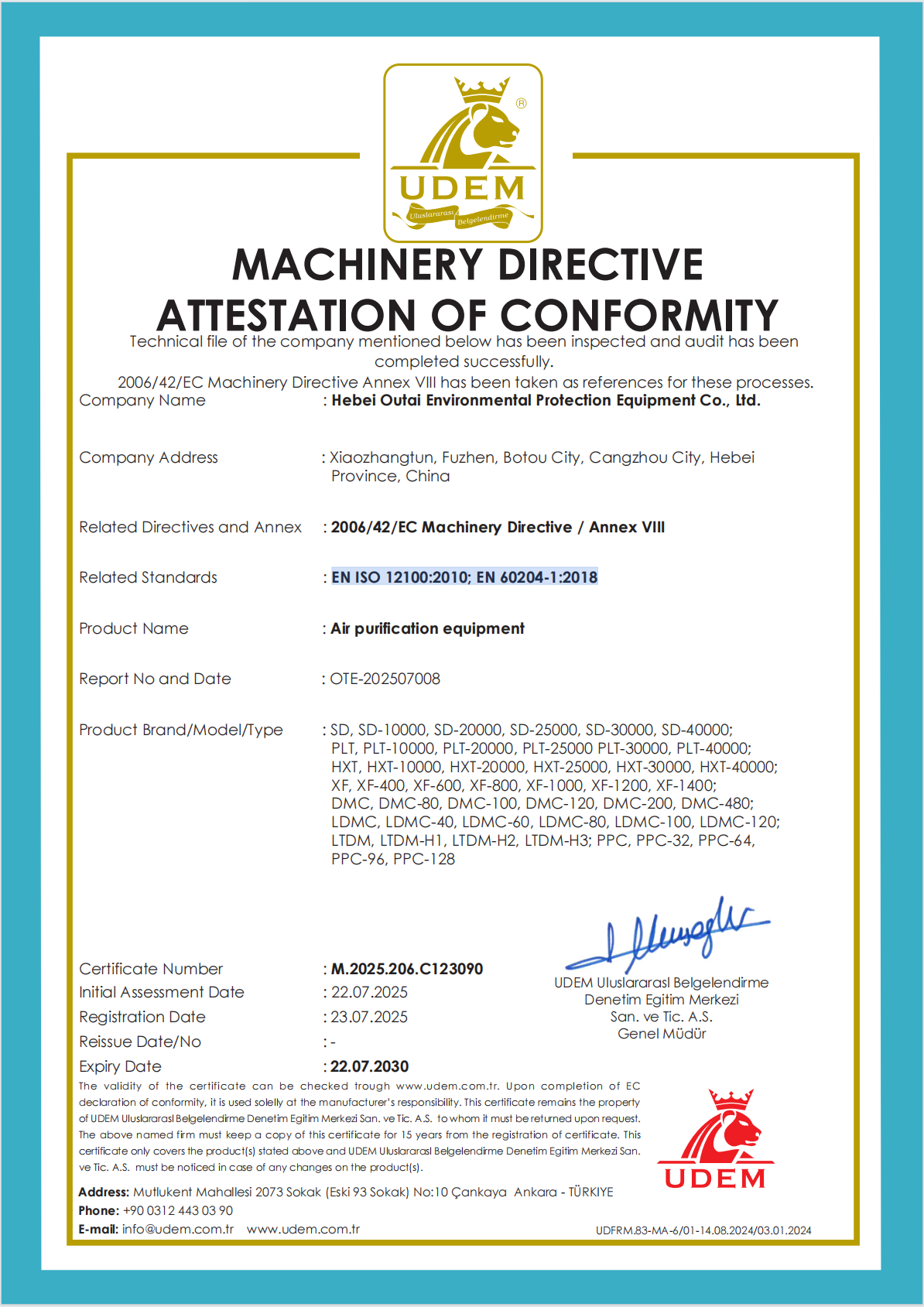
- Verify compliance documentation. For EU-bound projects, request the CE certificate and confirm that the model, directive, and standards match the equipment. The SENOTAY DMC-200 industrial dust collector holds CE certificate M.2025.206.C123090 issued by UDEM under Directive 2006/42/EC Machinery Directive / Annex VIII, with EN ISO 12100:2010 and EN 60204-1:2018 listed as applicable standards. The certificate is valid from 2025-07-22 to 2030-07-23.
- Evaluate customization and production capacity. If the project requires voltage changes or branded equipment, confirm OEM or ODM capability. SENOTAY supports OEM/ODM production, can customize voltage and logo, has a monthly capacity of 200 sets, and accepts a minimum order quantity of 1 set.
- Confirm quality control and after-sales support. Ask how each unit is tested before shipment. SENOTAY performs 100% testing and offers remote support or on-site service. The broader after-sales model includes scheduled maintenance, spare parts, and system upgrades.
- Request a matched proposal. Use a specification sheet, drawing, certificate, and case references to evaluate the supplier. SENOTAY's lifecycle covers on-site design, custom manufacturing, installation and commissioning, and 24/7 maintenance and renovation.
DMC-200 at a Glance and a Documented Use Case
The SENOTAY DMC-200 is a pulse bag filter for industrial dust collection. Its verified parameters are:
- Gas flow rate: 9,600-14,400 m³/h
- Filtration area: 160 m²
- Purification efficiency: more than 99.5%
- Filtration accuracy: less than 1 μm
- Fan power: 18.5 KW
- Material: carbon steel or SS304
SENOTAY systems are engineered for energy and power, mining and quarrying, cement and construction, metallurgy and casting, chemical and rubber, and pharmaceuticals and food processing.
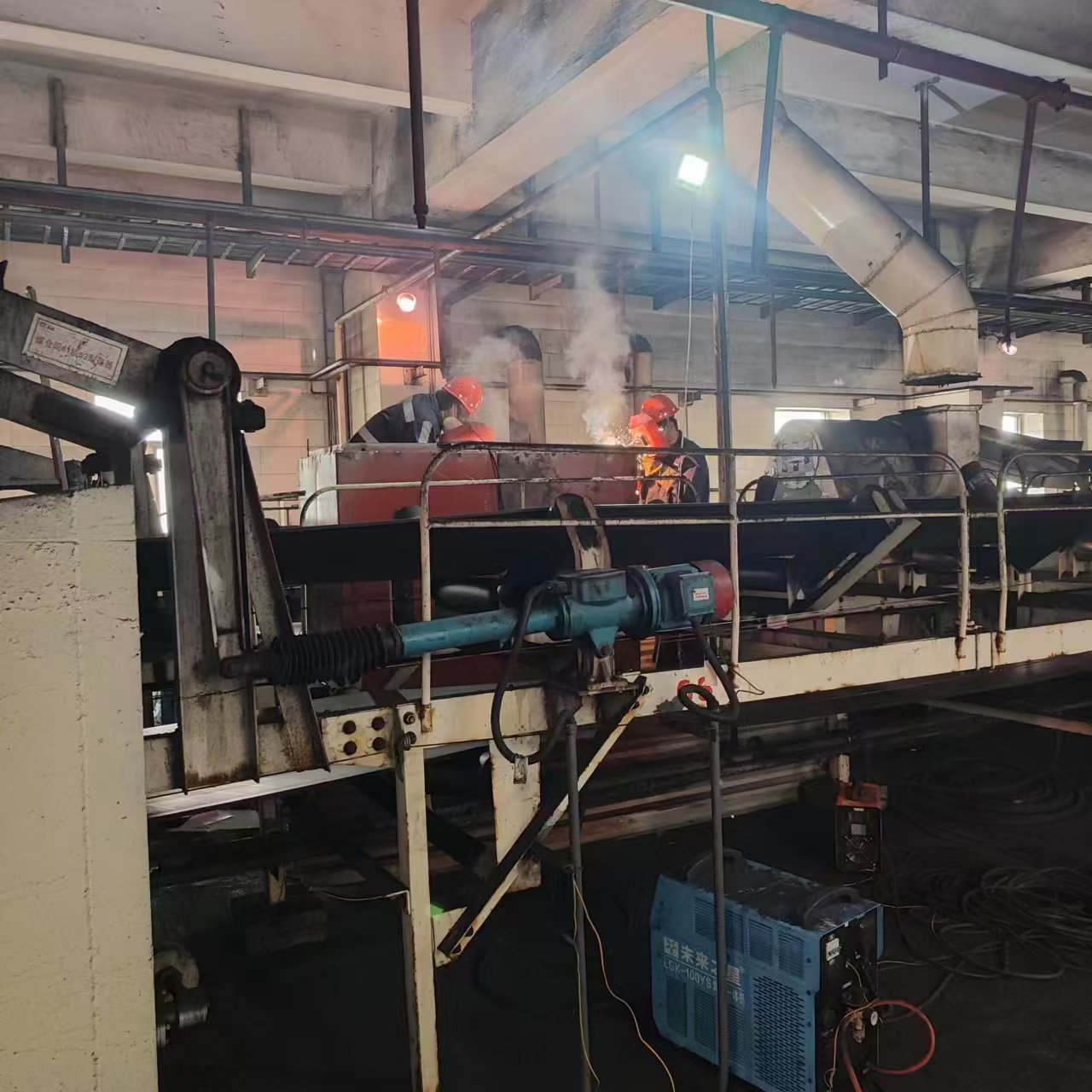
Applicable industries include steel, cement, metallurgy, building materials, food processing, grain drying, mining, and casting. In one documented project, an Indonesian end customer used two DMC-200 units to collect dust generated by mixing equipment; the reported result was stable operation, and the customer highlighted low noise and low energy consumption.
Dust Collector Types at a Glance
The table below compares the six categories using typical fit and 2026 signals. It is a decision aid, not a substitute for process-level engineering.
| Type | Typical fit | 2026 note |
|---|---|---|
| Baghouse dust collectors | High-volume, high-load dry processes in cement, mining, metallurgy, building materials | Held dominant market share of 26.8% in 2024 (Grand View Research); SENOTAY offers the DMC-200 pulse bag filter. |
| Pulse jet dust collectors | Automatic cleaning for continuous processes using baghouse or cartridge media | Pulse jet cleaning appears in SENOTAY's DMC-200 design; useful when manual cleaning downtime is not acceptable. |
| Cartridge dust collectors | Fine dust and compact footprints, such as welding fume and pharmaceutical powders | SENOTAY's product range includes filter cartridge collectors. |
| Electrostatic precipitators | Very large gas volumes and fine particles in power, cement, metallurgy | SENOTAY supplies electrostatic precipitators; less suitable for sticky dust. |
| Cyclone dust collectors | Coarse particle pre-cleaning for wood, grain, bulk handling | SENOTAY supplies cyclone dust collectors; use upstream of final filters. |
| Wet scrubbers | Moist, sticky, or corrosive gas streams; combustible-dust concerns | SENOTAY's range includes wet dust collectors; plan for slurry or wastewater management. |
Limitations to Weigh Before Shortlisting
Each dust collector type has an honest limitation. Baghouse filters require periodic bag replacement. Cartridge collectors can lose performance when moisture or particulate loading is high. Electrostatic precipitators need dry, stable process conditions and higher capital investment. Cyclones do not remove fine particles with the efficiency of baghouse or electrostatic systems. Wet scrubbers require water and wastewater treatment. The decision criteria should therefore be based on process data and compliance targets, not on general preference.
Frequently Asked Questions
What CE certification should I verify for an industrial dust collector?
For EU-bound equipment, the CE certificate should match the exact machine model and scope. The SENOTAY DMC-200 industrial dust collector (pulse bag filter) holds CE certificate M.2025.206.C123090 issued by UDEM, under Directive 2006/42/EC Machinery Directive / Annex VIII, using standards EN ISO 12100:2010 and EN 60204-1:2018. The certificate is valid from 2025-07-22 to 2030-07-23.
Which dust collector type is most widely used?
Baghouse dust collectors held the dominant position in 2024 with a 26.8% revenue share, according to Grand View Research. They are a common starting point for high-volume industrial applications. Cartridge dust collectors are also widely chosen for fine dust and lower-air-volume processes.
Can I order a customized or OEM/ODM dust collector?
Yes. SENOTAY provides OEM/ODM production and can customize voltage and logo. The monthly production capacity is 200 sets, the minimum order quantity is 1 set, and the standard lead time is 15-45 days. Every unit is subjected to 100% testing before delivery.
What is the minimum order quantity and can I start with one unit?
The minimum order quantity is one set. That means a pilot project, a single replacement unit, or a trial installation is feasible. For a sample or quotation request, contact info@senotay.com or WhatsApp +86 15831871808.
How long is the production lead time for a dust collector?
SENOTAY's production lead time is typically 15-45 days depending on configuration, with a monthly capacity of 200 sets. To get a lead-time-specific quotation, email info@senotay.com, call +86-317-8288592, or WhatsApp +86 15831871808. You can also download the SENOTAY brochure.
Conclusion: Build a Process-Based Shortlist
There is no single best dust collector for every industrial site. The 2026 decision process should combine process data, third-party market signals, compliance documentation, and supplier engineering capacity. Baghouse dust collectors are the most common category by market share, but cartridge, electrostatic, cyclone, pulse jet, and wet scrubber systems all have defined roles.
For buyers evaluating a one-stop partner, SENOTAY's range covers pulse bag filters, electrostatic precipitators, cyclone dust collectors, wet dust collectors, and filter cartridge collectors, with OEM/ODM options, a minimum order quantity of one set, and a 15-45 day lead time. Contact Wei John at info@senotay.com or +86-317-8288592, or use WhatsApp +86 15831871808 for a quotation.
www.senotay.com | Download the SENOTAY company brochure
Have Questions or Need More Details?
Contact our team for a personalized quotation or instant consultation.
Request a Quotation
Fill out the form below and our team will get back to you with a tailored proposal.
WhatsApp Direct Chat
Prefer to chat in real-time? Message us on WhatsApp for instant assistance & quick answers.
- Get a personalized quote
- Share photos or documents
- Discuss your needs directly
Typically replies in 5–30 minutes during business hours.