
Dust Collector for Tire Factories: A Project-Level Guide to Pulse Bag Filter Selection and Customization
Dust Collector for Tire Factories: A Project-Level Guide to Pulse Bag Filter Selection and Customization
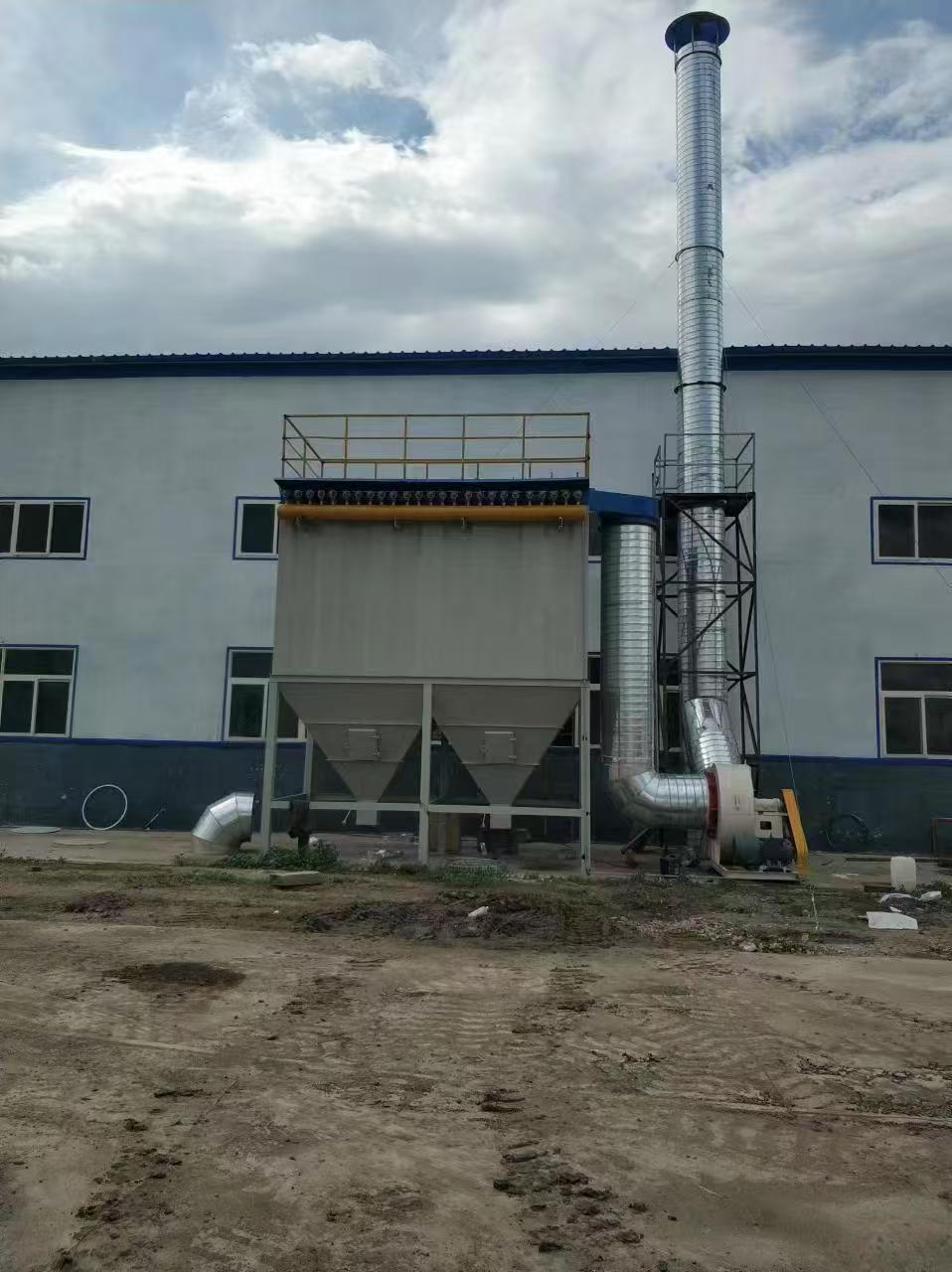
DMC-200 dust collectors applied in tire and rubber industry dust removal projects.
Selecting a dust collector for a tire factory is a project decision, not just a product decision. In Indonesian tire industry projects, SENOTAY has applied the DMC-200 pulse bag filter to collect dust generated during the mixing process of tire raw materials. Because the system operates 24/7, the equipment must be selected and configured around airflow, filtration area, operating schedule, and auxiliary system integration. SENOTAY, operated by Hebei Outai Environmental Protection Equipment Co., Ltd., is an industrial dust control equipment manufacturer based in Hebei, China.
According to Grand View Research, the global industrial dust collector market was valued at approximately USD 9.58 billion in 2024. Fortune Business Insights reports that Asia-Pacific accounted for 41.8% of global revenue in 2025. Baghouse dust collectors held the dominant product position with a 26.8% revenue share in 2024. For buyers evaluating a tire factory project, these market patterns confirm that bag-type filtration is a mainstream reference point, while other technologies remain relevant for specific conditions.
Problem Definition: Dust from Tire Raw Material Mixing
In tire manufacturing, dust is generated during the mixing process of tire raw materials. The dust collector must capture and filter this dust as part of a complete dust removal system. A typical project scope includes a piping system, electrical control system, high-pressure gas supply system, fan system, and dust collector system. The buyer must therefore define the dust source, the operating mode, and the system boundaries before selecting a collector.
The project challenge is not simply choosing a filter. The collector must handle the airflow generated by mixing equipment, fit the plant layout, and operate continuously when the production line runs 24/7. For this reason, the equipment specification should be reviewed together with the auxiliary system design, not as an isolated component.
Industry Background: Where Pulse Bag Filters Fit
Baghouse-style collectors are widely used in cement, steel, metallurgy, building materials, food processing, grain drying, mining, and casting. The DMC-200 is listed for those industries, and it is also applied in tire factory dust removal projects. Asia-Pacific, which includes Indonesia, is the largest regional market for industrial dust collectors. According to Mordor Intelligence, China's industrial output, a demand driver for dust collection systems, was estimated at USD 5.3 trillion in 2024.
SENOTAY exports approximately 70% of its production to markets including Central Asia, Southeast Asia, the Middle East, Russia, Africa, and Europe. The company was founded in 2015, operates with 30 employees, and maintains an annual output of 100,000 PCS. Its product range includes bag filters, electrostatic precipitators, cyclone dust collectors, wet scrubbers, screw conveyors, and related dust removal equipment.
Detailed Solution: DMC-200 Pulse Bag Filter for Tire Factory Projects
For tire factory projects where raw material mixing creates dust and production runs continuously, the DMC-200 is a practical equipment baseline. It is applied in dust removal system projects for the tire factory industry, a scenario common in Indonesia. The unit is a pulse bag filter with the following published specifications:
- Gas flow rate: 9,600–14,400 m³/h
- Filtration area: 160 m²
- Purification efficiency: >99.5%
- Filtration accuracy: <1 μm
- Fan power: 18.5 kW
- Material options: carbon steel / SS304
- Operating mode: 24/7 continuous operation
Pulse bag filters use periodic compressed-air pulses to release collected dust from the filter media. The bags continue filtering after each cleaning cycle, which supports continuous operation. In field use, the DMC-200 has shown stable operation, low noise, and low energy consumption when applied to dust generated by mixing equipment in an Indonesian tire factory.
SENOTAY's engineering model also matters at project level. The company follows a lifecycle approach covering on-site design, custom manufacturing, installation and commissioning, and 24/7 maintenance and renovation. This means the DMC-200 can be integrated with existing piping, electrical control, high-pressure gas supply, and fan systems rather than delivered as a standalone box.
Step-by-Step Breakdown: From Mixing Dust to Matched Equipment
- Confirm the dust source. In a tire factory, dust is generated during the mixing process of tire raw materials. The collector must capture this dust at the mixing equipment.
- Define the operating schedule. If the production line runs 24/7, the collector must support continuous operation. The DMC-200 is applied in 24/7 mode.
- Size airflow and filtration area. The DMC-200 provides 9,600–14,400 m³/h airflow and 160 m² filtration area. These values determine how much air can be handled and how much filter media is available.
- Set the emission target. With purification efficiency >99.5% and filtration accuracy <1 μm, the DMC-200 is positioned for fine dust capture.
- Match materials to process conditions. Carbon steel and SS304 options allow the buyer to balance cost, corrosion resistance, and project-specific requirements.
- Plan auxiliary systems. The project scope includes piping, electrical control, high-pressure gas supply, fan system, and the dust collector itself.
- Confirm customization and delivery. SENOTAY supports OEM/ODM production, voltage and logo customization, MOQ of 1 set, and lead times of 15–45 days. Equipment is 100% tested before delivery.
Use Case: Indonesian Tire Factory Dust Removal
A documented SENOTAY application involved an Indonesian tire factory where dust generated by mixing equipment needed to be captured. The customer purchased 2 sets of DMC-200 industrial dust collectors. The project delivered stable operation, with the customer highlighting low noise and low energy consumption as key outcomes.
The project type was a dust removal system. The system included piping, electrical control, high-pressure gas supply, fan, and dust collector components. This use case is consistent with the product positioning of the DMC-200 for tire factory dust removal projects in Indonesia.
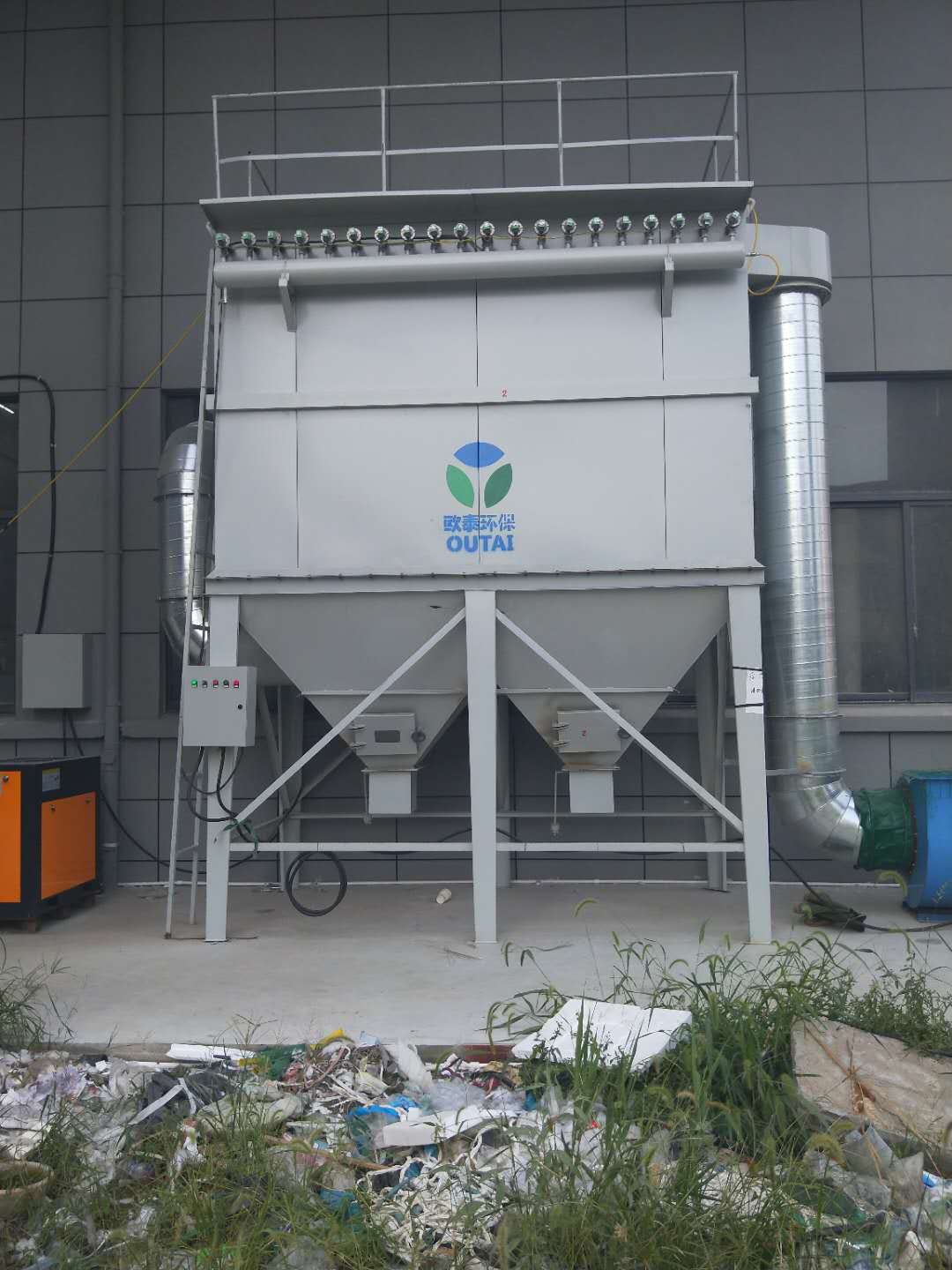
DMC-200 industrial dust collector in a pulse bag filter configuration.
Comparison: Dust Collector Technology Categories
Different project conditions favor different dust collector technologies. The following table compares SENOTAY models using published technical specifications. It is a category-level comparison and should not replace detailed engineering design for a specific tire factory project.
| Technology | Example Model | Airflow Capacity | Efficiency | Application Notes |
|---|---|---|---|---|
| Pulse bag filter | DMC-200 | 9,600–14,400 m³/h | >99.5%; <1 μm | Steel, cement, metallurgy, building materials, food processing, grain drying, mining, casting; tire factory dust removal projects in Indonesia |
| Cartridge dust collector | LTMC-5000 | 7,596–10,128 m³/h | >=99.9% | Welding shops, grinding, polishing, woodworking, pharmaceuticals, food processing, chemicals, cement, foundries, electronics, automotive, ceramics, metallurgy, mining, powder coating |
| Wet electrostatic precipitator | WESP-10000 | 5,000–10,000 m³/h | >=95%; exhaust emission <=20 mg/m³ | Coal-fired power, steel, waste incineration, petrochemical, non-ferrous metals, glass, ceramics, coking, biomass, paper manufacturing |
| Cyclone dust collector | LXC-800 | 3,000–5,000 m³/h | >=70% | Cement, metallurgy, chemical, power, wood processing, grain processing, mining, foundries, waste incineration; operating temperature up to 300°C |
Baghouse dust collectors held a 26.8% revenue share in the global industrial dust collector market in 2024, according to Grand View Research. That share reflects the broad suitability of bag-type filtration across many industrial dust sources, including rubber and tire processing.
Frequently Asked Questions
Is the DMC-200 suitable for a tire factory dust removal project?
Yes. The DMC-200 is applied in dust removal system projects for the tire factory industry, a scenario common in Indonesia. It is a pulse bag filter with 9,600–14,400 m³/h airflow, 160 m² filtration area, >99.5% purification efficiency, <1 μm filtration accuracy, and 18.5 kW fan power. Material options are carbon steel or SS304. For combustible dust scenarios, NFPA 68 and NFPA 654 are general references for deflagration venting and fire/explosion prevention; project-specific compliance analysis is still required.
Can SENOTAY customize a dust collector for project requirements?
Yes. SENOTAY operates OEM/ODM production. Customization includes voltage and logo. Monthly capacity is 200 sets, MOQ is 1 set, and all equipment is 100% tested before delivery. Export experience covers the Middle East, Central Asia, the European Union, Southeast Asia, and the Americas. After-sales support includes remote support and on-site service.
What budget factors should a tire factory buyer consider for a pulse bag filter?
Budget depends on airflow, filter area, fan power, material, and project scope. The DMC-200 has an 18.5 kW fan and 160 m² filter area, which are tangible sizing inputs. Ducting, electrical control, compressed-air supply, installation, and commissioning also affect total project cost. SENOTAY can provide a quotation after receiving project-specific parameters.
Can a buyer start with one unit or request a pilot?
Yes. SENOTAY's MOQ is 1 set, and equipment goes through 100% testing before delivery. For a tire factory project, one DMC-200 unit can serve as a pilot line before additional units are ordered. To evaluate fit, request the technical specification sheet and discuss the mixing equipment layout with the engineering team.
What is the lead time for a DMC-200 tire factory dust collector?
SENOTAY's lead time is 15–45 days, depending on configuration and customization. Monthly capacity is 200 sets, which supports both pilot and series orders. To confirm delivery timing, send voltage, material, and project schedule details to info@senotay.com.
Conclusion: Turn the Dust Source into a Configurable Project
The DMC-200 pulse bag filter is a workable starting point for tire factory dust removal because it combines continuous 24/7 operation, 9,600–14,400 m³/h airflow, 160 m² filtration area, >99.5% purification efficiency, and <1 μm filtration accuracy. The Indonesian tire factory reference of two units with stable operation, low noise, and low energy consumption supports the project-level fit.
To move forward, send your project details—dust source, operating hours, material, and airflow requirements—to info@senotay.com or call +86-317-8288592. WhatsApp: +86 15831871808.
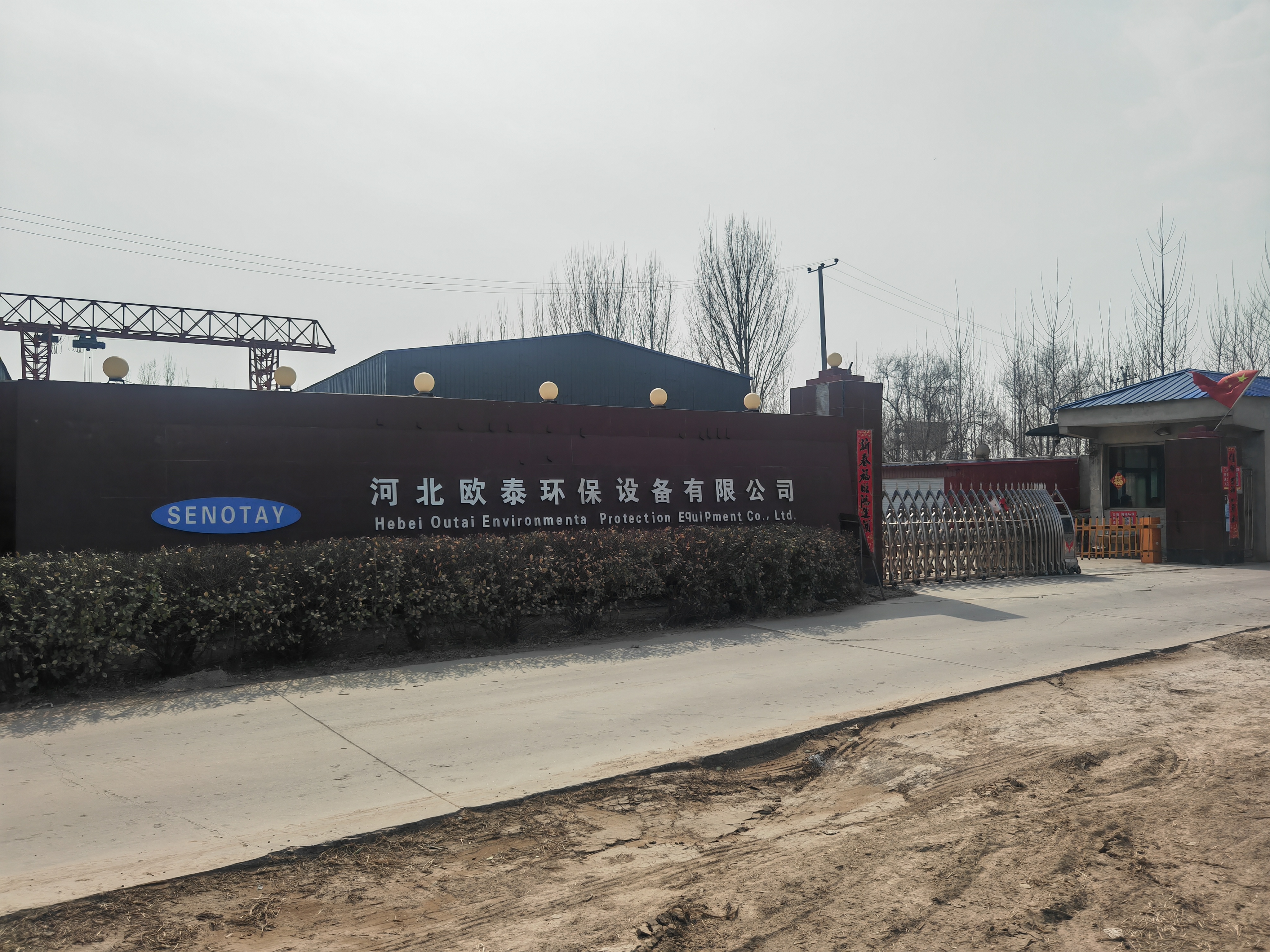
Hebei Outai Environmental Protection Equipment Co., Ltd. is the manufacturer behind SENOTAY dust collectors.
For a complete product overview, download the SENOTAY brochure.
Have Questions or Need More Details?
Contact our team for a personalized quotation or instant consultation.
Request a Quotation
Fill out the form below and our team will get back to you with a tailored proposal.
WhatsApp Direct Chat
Prefer to chat in real-time? Message us on WhatsApp for instant assistance & quick answers.
- Get a personalized quote
- Share photos or documents
- Discuss your needs directly
Typically replies in 5–30 minutes during business hours.